
Why Sharing the Road with School Buses Requires Drivers to Stay Alert
Every weekday morning and afternoon, thousands of school buses travel neighborhood streets and busy highways to transport students safely. While school buses are among the safest v…
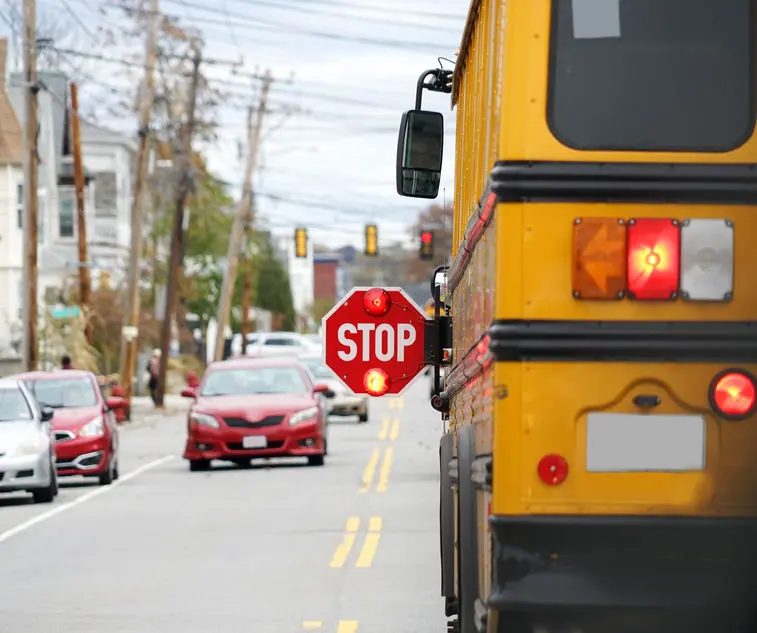
Every weekday morning and afternoon, thousands of school buses travel neighborhood streets and busy highways to transport students safely. While school buses are among the safest vehicles on the road, children are most vulnerable when they are getting on or off the bus.
That is why drivers must remain especially alert whenever they see a school bus.
1. School Bus Laws Are Strict
In all states, drivers must stop when a school bus is stopped with its red flashing lights activated and stop arm extended. In most cases, traffic in both directions must stop unless there is a raised median or physical barrier separating the roadways.
Passing a stopped school bus is illegal and can result in:
-
Heavy fines
-
Points on your license
-
Increased insurance rates
-
Possible license suspension
These laws exist to protect children who may be crossing the street.
2. The Stop Arm Means Stop
When the bus extends its stop arm, it signals that children are loading or unloading. Drivers must stop at a safe distance, typically at least 20 feet away, depending on state law.
The stop arm is not a suggestion. It is a clear legal command to stop and wait until:
-
The red lights stop flashing
-
The stop arm retracts
-
The bus begins moving again
3. Watch for Children at All Times
Children can be unpredictable. They may:
-
Cross unexpectedly in front of the bus
-
Run to catch the bus
-
Walk between parked cars
-
Ride bicycles near the roadway
Because children are smaller and harder to see, especially in poor weather or low light conditions, drivers must slow down and scan carefully around school buses and in school zones.
4. Maintain a Safe Following Distance
When driving behind a school bus, leave plenty of space. A good guideline is at least one car length for every 10 mph of speed.
School buses make frequent stops, sometimes without much warning. Following too closely reduces your reaction time and increases the risk of a rear-end collision.
5. Respect Bus Loading Zones
Schools often have designated bus loading areas. Avoid blocking these zones and never attempt to squeeze around a bus picking up or dropping off students.
Patience in these areas prevents chaos and keeps children safe.
6. Follow the Bus Driver’s Signals
School bus drivers are trained to manage traffic during student pickup and drop off. If a driver motions for you to stop or proceed, follow their direction carefully. They are focused on ensuring every child crosses safely.
7. Eliminate Distractions
Distracted driving near a school bus can have devastating consequences. Avoid:
-
Texting
-
Adjusting navigation
-
Eating
-
Phone calls
Your full attention should be on the road, especially in school zones.
Final Thoughts
Sharing the road with school buses requires heightened awareness, patience, and responsibility. Children’s safety depends not only on the bus driver, but also on every driver nearby.
By slowing down, stopping when required, eliminating distractions, and staying alert, you help create a safer environment for students, families, and your entire community.