
What Are Blind Spots in Driving and How Can You Stay Safe?
Blind spots are areas around your vehicle that cannot be seen in your rearview or side mirrors . Every vehicle has them, whether you drive a compact sedan, SUV, or pickup truck. Ty…
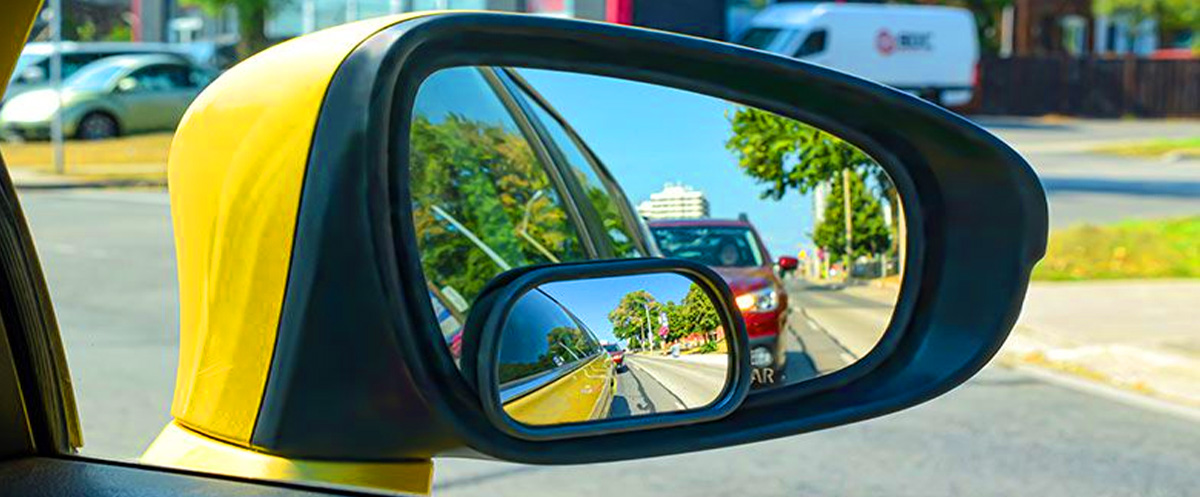
Blind spots are areas around your vehicle that cannot be seen in your rearview or side mirrors. Every vehicle has them, whether you drive a compact sedan, SUV, or pickup truck.
Typically, blind spots are located:
- On both sides of your vehicle, slightly behind the driver and passenger doors
- Directly behind the vehicle (especially in larger vehicles)
Many drivers assume mirrors show everything. They do not. That is why proper mirror adjustment and physically checking over your shoulder are critical safety habits.
Why Blind Spots Are Dangerous
Blind spots are especially risky on:
- Highways during lane changes
- Multi lane intersections
- Merging ramps
- Heavy traffic conditions
Motorcycles, small cars, and even large trucks can disappear in these hidden areas. A quick lane change without checking can result in a sideswipe collision.
How to Drive Safely Around Blind Spots
1. Adjust Your Mirrors Properly
Your side mirrors should show very little of your own car. Instead, they should extend your field of vision outward. When adjusted correctly:
- The rearview mirror shows directly behind you
- The side mirrors cover the lanes beside you
- There is minimal overlap between mirrors
This setup reduces blind spot size significantly.
2. Always Perform a Shoulder Check
Before changing lanes:
- Turn on your signal
- Check your rearview mirror
- Check your side mirror
- Quickly glance over your shoulder toward the blind spot
That quick head turn makes all the difference.
3. Use Turn Signals Early
Signaling at least 3 to 5 seconds before changing lanes gives other drivers time to react. Even if you do not see anyone, a vehicle may be approaching quickly.
4. Keep a Safe Following Distance
Maintaining at least a 3 second following distance in city driving and 4 to 5 seconds on highways gives you more reaction time and better visibility around other vehicles.
5. Avoid Hanging Out in Other Drivers’ Blind Spots
If you cannot see the driver in their side mirror, they likely cannot see you. Either pass safely or fall back to a visible position.
How to Change Lanes Safely With Blind Spots
Here is a simple step by step process:
- Check traffic ahead
- Turn on your signal
- Check rearview mirror
- Check side mirror
- Look over your shoulder
- Change lanes smoothly
- Cancel your signal
Never rush a lane change. Most blind spot crashes happen because drivers skip one of these steps.
Extra Tips for Reducing Blind Spot Risks
- Consider vehicles equipped with Blind Spot Monitoring systems
- Keep windows clean for better visibility
- Be especially alert around motorcycles and cyclists
- Stay calm and avoid aggressive driving
Final Thoughts
Blind spots are a normal part of driving, but accidents caused by them are preventable. With proper mirror setup, consistent shoulder checks, and clear signaling, you can dramatically reduce your risk of collision.
Safe driving is not about reacting at the last second. It is about building smart habits that protect you and everyone around you every time you get behind the wheel.