
Tips for Driving on Hills and Parking Your Car on a Hill
Driving on hills can be both exciting and challenging, particularly for new drivers. Proper techniques and careful awareness of your vehicle and surroundings are essential for safe…
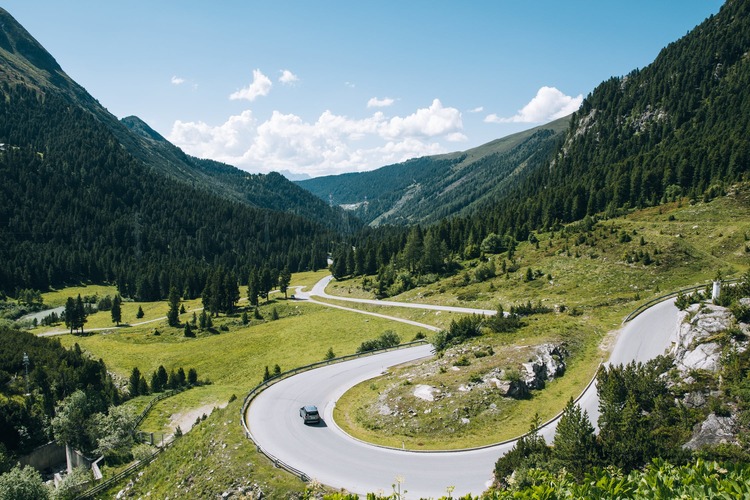
Driving on hills can be both exciting and challenging, particularly for new drivers. Proper techniques and careful awareness of your vehicle and surroundings are essential for safe hill driving. Similarly, parking on hills requires attention to avoid accidents or vehicle roll. Here’s a practical guide to help you drive and park safely on hills.
1. Know Your Vehicle’s Capabilities
Before tackling steep hills, make sure you understand your car’s capabilities. Check that your engine has enough power to climb inclines and that your brakes, transmission, and suspension are in good condition. Choose a gear that allows smooth control over the hill without overworking the engine.
2. Monitor Your Speed
Controlling your speed is crucial on hills. Gravity can accelerate your car downhill, and curves can make high speeds dangerous. Use engine braking and light taps on the brakes to maintain a safe speed when descending. Going too fast can reduce reaction time and increase the risk of accidents.
3. Scan the Road Ahead
Anticipate curves, inclines, and potential hazards by scanning the road ahead. Watch for pedestrians, cyclists, other vehicles, and changing weather conditions. Early anticipation helps you adjust your speed and position safely before encountering obstacles.
How to Park Your Car Safely on Hills
4. Choose a Safe Parking Spot
Select a stable and safe location to park. Ideally, look for a level area. If parking on an incline, position your front tires correctly:
- Facing uphill: turn wheels away from the curb
- Facing downhill: turn wheels toward the curb
This reduces the risk of the vehicle rolling if the handbrake fails.
5. Use Your Handbrake Correctly
Always engage your handbrake fully before turning off the ignition. For added safety, leave the car in gear (manual transmission) or in “park” (automatic transmission) to prevent movement.
6. Leave Enough Space
Maintain sufficient distance between your car and other vehicles. This ensures you have room to maneuver when leaving and prevents accidental contact with nearby cars.
Conclusion
Driving and parking on hills demand extra attention and care. By knowing your vehicle’s capabilities, controlling your speed, scanning the road ahead, choosing a safe parking spot, using your handbrake properly, and leaving enough space, you can navigate hills safely and park confidently. With practice, hill driving can become a smooth and manageable part of your driving experience.
You may also read: [Surviving Your Driving Lessons with the Help of Driving Instructors]