
7 Vital Tips to Protect Your Car and Yourself from Storm Damage
Severe storms can cause significant damage to both your vehicle and personal safety. Taking proactive precautions can help minimize risk and protect yourself and your car. Here are…
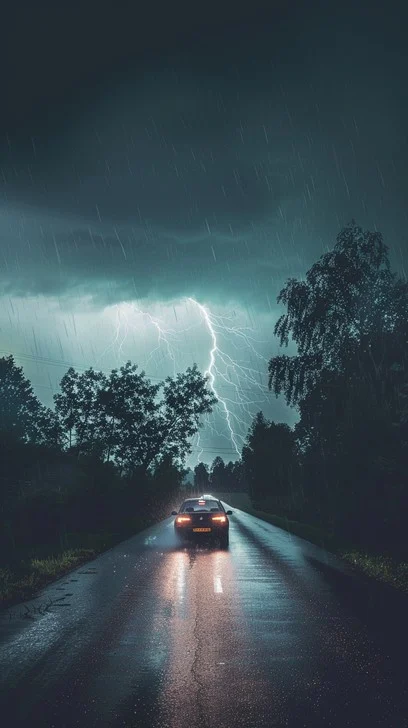
Severe storms can cause significant damage to both your vehicle and personal safety. Taking proactive precautions can help minimize risk and protect yourself and your car. Here are seven essential tips to keep in mind before, during, and after a storm.
1. Park Your Car in a Safe Place
Whenever possible, park your car in a secure location, such as an indoor garage or carport. If that isn’t available, consider:
- Covered parking lots or carports
- Parking away from power lines and tall trees, which can fall during high winds
Safe parking is the first step in reducing potential storm damage.
2. Protect Your Car’s Exterior
If indoor parking isn’t an option, protect your vehicle with:
- A waterproof car cover to shield against rain, debris, and wind
- A tarp or heavy blanket if a proper car cover isn’t available
These measures can help prevent scratches, dents, and water damage to your car’s body.
3. Secure Loose Items Inside Your Car
Loose objects in your car can become dangerous projectiles during strong winds or sudden impacts. Always secure:
- Golf clubs, tools, or sports equipment
- Shopping bags or other unsecured items
Keeping the interior organized can prevent damage to both your car and passengers.
4. Avoid Driving During a Storm
Driving in severe weather is extremely dangerous. If possible, stay off the roads during storms. If driving is unavoidable:
- Slow down and drive cautiously
- Use your headlights for better visibility
- Avoid standing water and flooded areas
Staying safe behind the wheel should always be the top priority.
5. Prepare for Power Outages
Storms can cause power outages that affect vehicle operation and safety. To stay prepared:
- Keep your gas tank full to allow evacuation if necessary
- Store an emergency kit with a flashlight, batteries, first-aid supplies, and a portable charger
Being prepared ensures you can respond quickly in unexpected situations.
6. Be Cautious Around Fallen Power Lines
Fallen power lines are extremely dangerous and should always be treated as live. Never approach or touch fallen lines. Report them immediately to your local utility company.
7. Protect Yourself from Lightning Strikes
Lightning is a serious hazard during storms. Safety tips include:
- Seek indoor shelter whenever possible
- If you are driving, pull over safely and stay inside the vehicle
- Avoid touching metal surfaces that can conduct electricity
Your personal safety should always come before any attempt to move your vehicle during a storm.
Conclusion
Severe weather can pose serious risks, but taking proactive steps can significantly reduce potential damage. By parking in safe locations, protecting your car’s exterior, securing loose items, avoiding driving during storms, preparing for power outages, staying clear of fallen power lines, and protecting yourself from lightning, you can keep both yourself and your vehicle safe.
You may also read: 5 Important Conversations to Have with Your Teen Before They Start Driving