
7 Significant Driving Trends to Watch for in 2026
The automotive world continues to evolve at a rapid pace, and 2026 is shaping up to be a transformative year for drivers. From smarter technology to greener solutions and flexible…
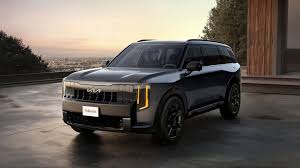
The automotive world continues to evolve at a rapid pace, and 2026 is shaping up to be a transformative year for drivers. From smarter technology to greener solutions and flexible ownership models, the way we drive and own vehicles is changing faster than ever. Here are seven major driving trends to watch for in 2026.
1. Smarter Autonomous Driving Systems
Autonomous vehicle technology has made steady progress over the past few years, and in 2026 we are seeing more advanced driver assistance and semi autonomous capabilities in everyday vehicles. While fully self driving cars are still limited in many regions, enhanced sensors, AI powered software, and real time mapping are making highway driving and parking more automated than ever. Commercial fleets, delivery services, and ride share companies continue to lead adoption of higher level automation.
2. Mainstream Electric Vehicles
Electric vehicles are no longer niche. In 2026, EVs are firmly in the mainstream market. Improvements in battery density, faster charging times, and expanded charging networks have significantly reduced range concerns. Many manufacturers now offer electric options across most vehicle categories, from compact cars to full size trucks and SUVs. Governments and private companies are also investing heavily in charging infrastructure, making EV ownership more convenient than ever.
3. Expansion of Hybrid and Alternative Fuels
While EVs continue to grow, hybrid vehicles and alternative fuel options remain important. Plug in hybrids offer flexibility for drivers who want electric benefits without fully relying on charging networks. Hydrogen fuel cell technology is also seeing renewed interest in select markets. In 2026, the focus is on giving drivers multiple eco friendly options that fit different lifestyles.
4. Fully Connected Driving Experiences
Connectivity has become a core feature of modern vehicles. In 2026, vehicles are deeply integrated with smartphones, smart homes, and cloud based services. Over the air software updates keep systems current without dealership visits. Real time traffic data, predictive navigation, remote diagnostics, and vehicle to infrastructure communication are becoming standard features. Faster networks enable smoother infotainment, video conferencing capabilities, and more advanced telematics systems.
5. Advanced Safety and Driver Monitoring
Safety technology continues to improve in 2026. Advanced driver assistance systems such as adaptive cruise control, lane keeping assistance, blind spot detection, and automatic emergency braking are now common across many price points. New driver monitoring systems use cameras and sensors to detect drowsiness or distraction, helping reduce accidents. There is also growing emphasis on pedestrian detection and cyclist awareness in urban environments.
6. Sustainable Manufacturing and Materials
Sustainability extends beyond the powertrain. Automakers in 2026 are increasingly using recycled plastics, bio based fabrics, and lightweight composite materials in vehicle production. Manufacturing plants are adopting cleaner energy sources to reduce emissions. Consumers are paying closer attention to the overall environmental impact of vehicles, from production to end of life recycling.
7. Flexible Ownership and Subscription Models
Traditional car ownership is no longer the only option. In 2026, vehicle subscription services, short term leasing, and car sharing platforms continue to expand. These models allow drivers to access different types of vehicles based on their needs, whether for commuting, road trips, or special occasions. Flexible mobility solutions are particularly popular in urban areas where convenience and cost efficiency are top priorities.
Conclusion
The driving landscape in 2026 is defined by innovation, sustainability, and flexibility. Smarter technology, cleaner energy solutions, and new ownership models are reshaping how people think about transportation. As these trends continue to evolve, drivers can expect safer, more connected, and more environmentally responsible vehicles in the years ahead.